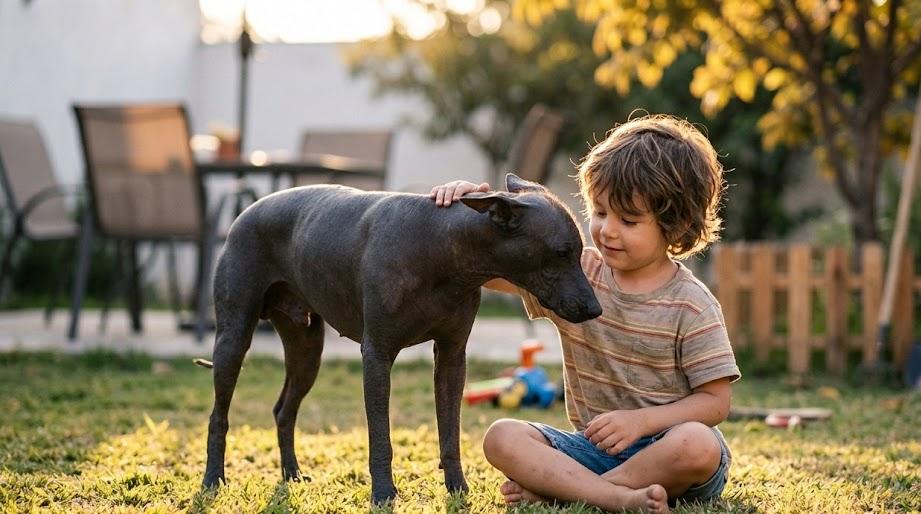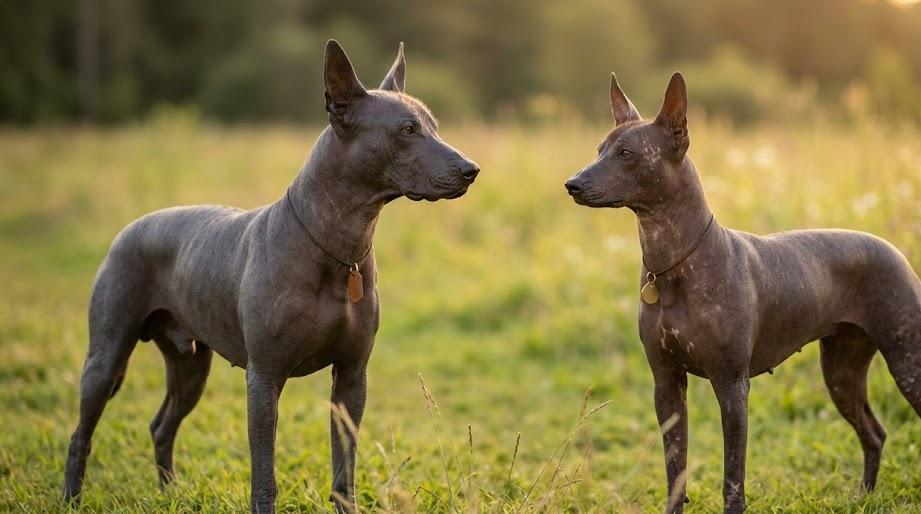
The Xoloitzcuintle size and weight chart is an invaluable tool for anyone interested in this fascinating breed. Understanding these physical standards ensures the well-being and proper care of this ancient dog, offering clear guidance to owners and enthusiasts alike.
What is the Xoloitzcuintle Size and Weight Chart?
The Xoloitzcuintle size and weight chart outlines the typical ranges of height and weight various individuals of the breed may display. Often referred to as the Mexican Hairless Dog, the Xoloitzcuintle can come in different sizes, including toy, miniature, and standard. This chart helps owners track growth milestones and maintain optimal health throughout the dog’s life stages by comparing actual measurements to breed norms.
Application of Size and Weight Standards in Daily Care
Knowing expected size and weight ranges allows owners to provide appropriate nutrition, exercise, and veterinary monitoring. For example, a standard-sized Xoloitzcuintle typically weighs between 20 to 55 pounds, so a deviation from these values might suggest health issues or the need for dietary adjustments. Proper exercise tailored to the dog’s size aids in maintaining ideal body condition and prevents obesity-related problems.
Why Breed Measurements Matter Today
In the modern context, precise knowledge of breed size characteristics has gained relevance due to increasing awareness of pet health and welfare. Tracking weight and size enables early detection of growth abnormalities or nutritional imbalances, fostering longer and healthier lives. For breeders, adhering to size standards preserves breed integrity and supports accurate classification in dog shows and registries.
Key Features Every Owner Should Know
The Xoloitzcuintle exhibits distinct size groups:
- Toy: Height up to 14 inches; weight typically under 10 pounds.
- Miniature: Height between 14 and 18 inches; weight ranges around 10 to 20 pounds.
- Standard: Height from 18 to 26 inches; weight varies between 20 and 55 pounds.
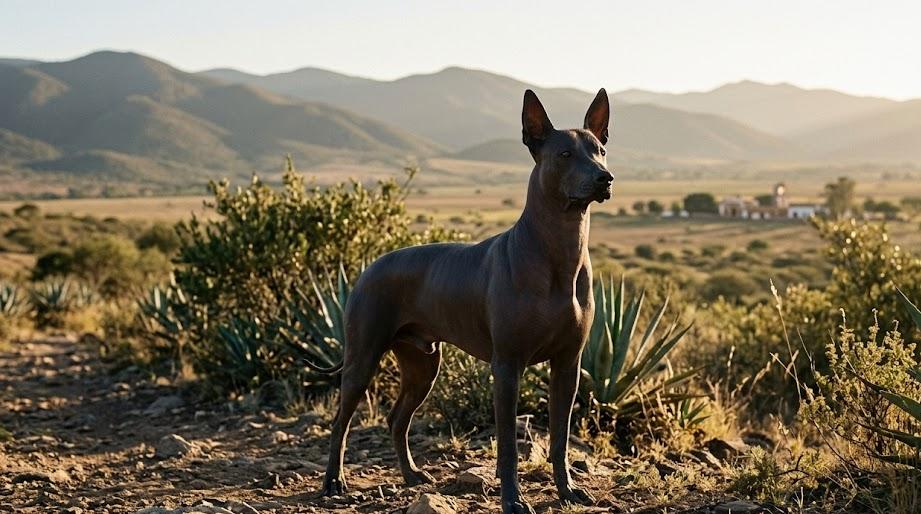
Additionally, body structure is lean and muscular with a graceful stance. Consistent monitoring of weight against these metrics helps in adjusting lifestyle to the dog’s specific needs.
Varieties and Breed Standards
The breed is officially recognized by kennel clubs in several size categories to accommodate natural diversity. The American Kennel Club and Fédération Cynologique Internationale both list standards that guide breeders worldwide. Individual dogs may vary within acceptable limits depending on genetics and nutrition. Health-focused breeders emphasize size norms to minimize hereditary health problems often linked to inappropriate growth rates.
Benefits of Monitoring Size and Weight
Regular measurement provides numerous advantages:
- Health monitoring: Detects signs of obesity or underweight conditions early.
- Growth tracking: Ensures puppies develop within healthy boundaries reducing risk of joint issues.
- Nutritional optimization: Tailors diet plans to size and energy requirements.
According to a 2022 Statista report, breeds with consistent size tracking show a 15% reduction in weight-related illnesses compared to irregularly monitored dogs.
Common Pitfalls to Avoid
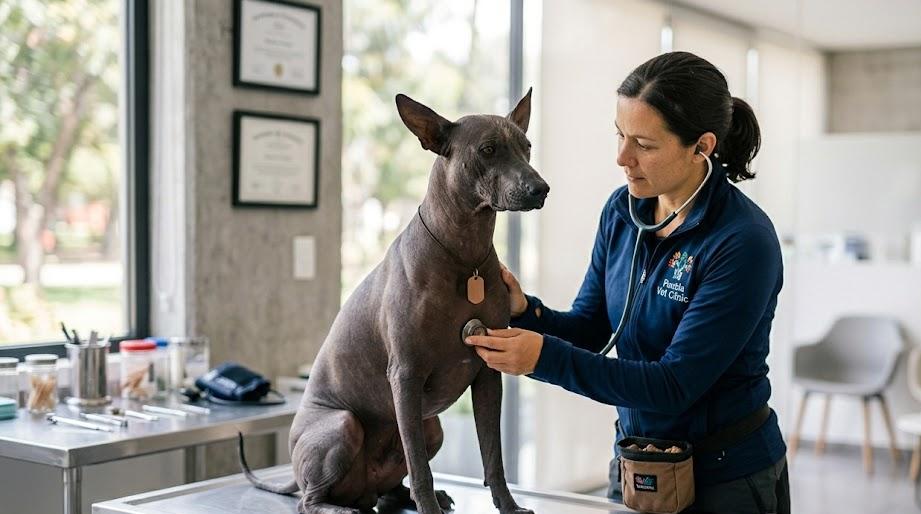
Neglecting regular evaluations can lead to overfeeding or malnourishment. Owners sometimes rely solely on visual cues rather than objective measurements, which risks misjudging health status. Using inappropriate size references from other breeds can cause confusion. It’s important to consult a veterinarian for personalized advice and use accurate scales and measuring tools for the best results.
Practical Tips for Xoloitzcuintle Owners
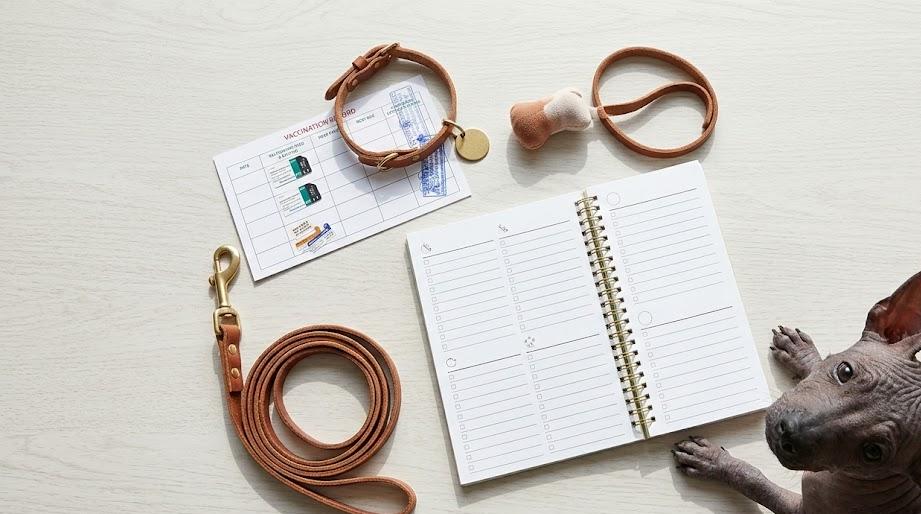
- Weigh your dog monthly: Use a pet scale or vet visits to keep track of weight changes.
- Measure height periodically: Ensure your dog is growing or maintaining an appropriate height for its age and size category.
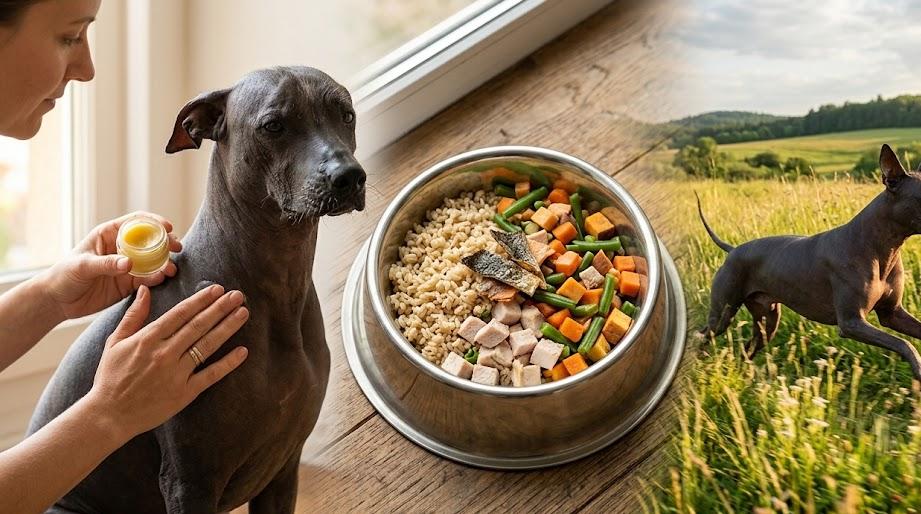
- Adjust diet as needed: Base food quantity and type on size measurements and energy expenditure to prevent obesity or malnutrition.
How often should I measure my Xoloitzcuintle’s weight?
For puppies, monthly tracking is ideal. Adult dogs benefit from quarterly weigh-ins unless health concerns dictate more frequent checks.
What is a healthy weight range for a miniature Xoloitzcuintle?
Typically between 10 and 20 pounds, but individual variations exist. Consult your vet for specific guidance.
Can deviation from size standards indicate health problems?
Yes, significant deviations may suggest nutritional deficiencies, underlying illness, or growth disorders requiring veterinary evaluation.
Is there a difference in size between hairless and coated varieties?
Size tends to be similar across coat types, though body shape might vary slightly.
Understanding the Xoloitzcuintle size and weight chart is essential for responsible ownership and breed preservation. Monitoring these metrics promotes health, supports proper nutrition, and helps maintain breed standards. Embrace regular measurement and expert advice to give your Xoloitzcuintle the best care possible.