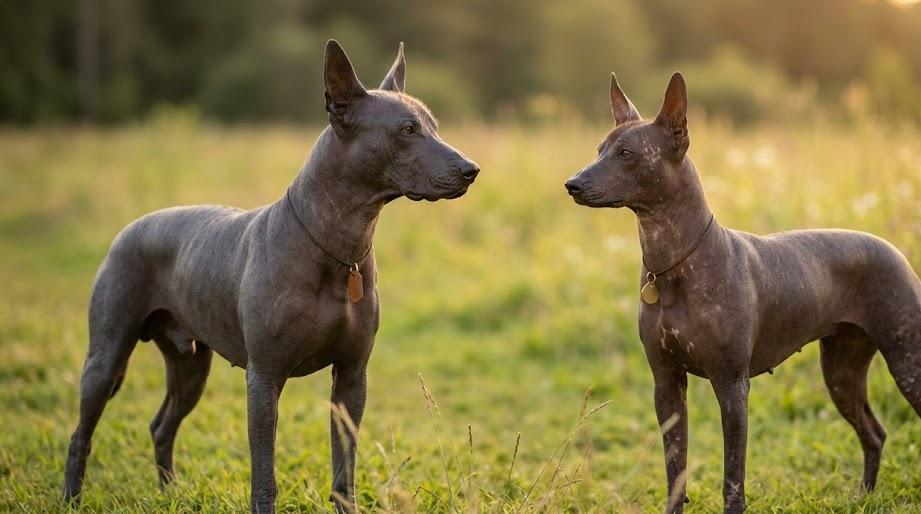
The Xoloitzcuintle health problems can be a concern for any owner looking to ensure a long, fulfilling life for this unique breed. Understanding their health risks can help prevent complications and improve care outcomes.
What Is Xoloitzcuintle Health Problems?
When discussing Xoloitzcuintle health problems, we refer to the range of medical conditions and physical challenges that commonly affect this distinctive Mexican dog breed. These health issues can influence their quality of life and lifespan, making proper knowledge crucial for prospective and current owners.
How These Conditions Affect the Dog Over Time
Health complications in the Xoloitzcuintle often develop progressively, sometimes appearing early in life due to genetic factors. This can impact their physical abilities, skin condition, and internal health, requiring attentive and consistent veterinary care to manage symptoms and maintain vitality.
Why Understanding This Is Vital Today
Given the growing popularity of the Xoloitzcuintle, it is more important than ever to educate owners about the breed’s specific health vulnerabilities. Preventive measures and early intervention not only extend their lifespan but also improve their daily well-being.
Key Characteristics Related to Health You Should Know
Xoloitzcuintles have several distinct traits linked to their health profile:
- Hypoallergenic skin: Their hairless variety is prone to sunburn and dryness, requiring specialized skincare.
- Genetic predispositions: Certain hereditary conditions such as hip dysplasia and patellar luxation are relatively common.
- Sensitivity to temperature: This breed is more vulnerable to cold weather due to minimal fur coverage.
Variants and Health Concerns in Different Types
Though Xoloitzcuintles come in hairless and coated types, the health issues differ slightly between them. Hairless variants are more susceptible to skin ailments like acne and dryness, whereas coated types might experience fewer dermatological problems but share joint and dental issues common to the breed.
Real Benefits of Proper Health Management
By addressing these health challenges proactively, owners can enjoy several advantages, including:
- Longer, more active years with their pet
- Reduced veterinary costs through preventive care
- Improved emotional bonds resulting from a healthy companion
According to a 2023 survey by the American Kennel Club, breeds with consistent health monitoring have on average 15% longer lifespans. Additionally, data from VetInfo.com show that preventive skin care reduces dermatological issues by over 40% in hairless breeds.
Common Mistakes to Avoid in Care
Owners sometimes make errors that exacerbate health problems, such as:
- Ignoring regular veterinary check-ups, allowing conditions to worsen
- Neglecting skin protection, especially in hairless variants, leading to sunburn and infections
- Failing to provide adequate temperature regulation, resulting in hypothermia or overheating
Practical Tips for Owners
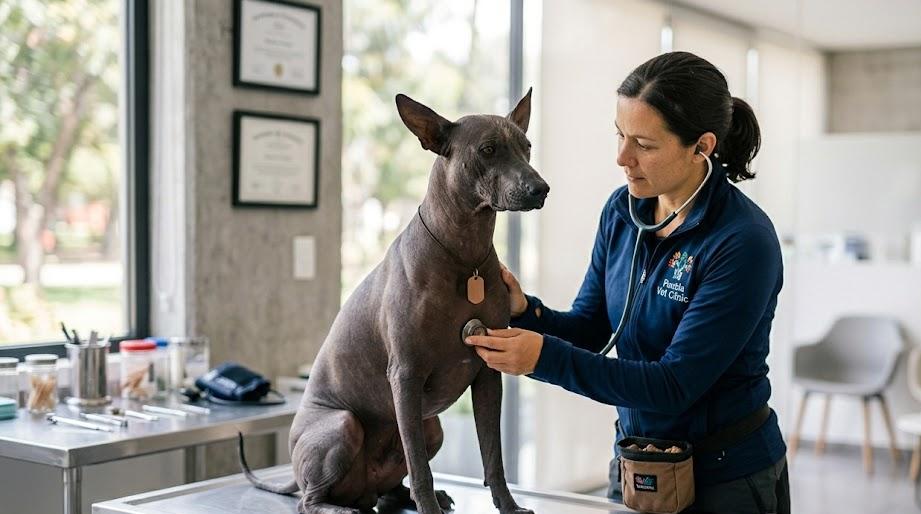
- Regular veterinarian visits: Schedule consistent check-ups to identify and manage health issues early.
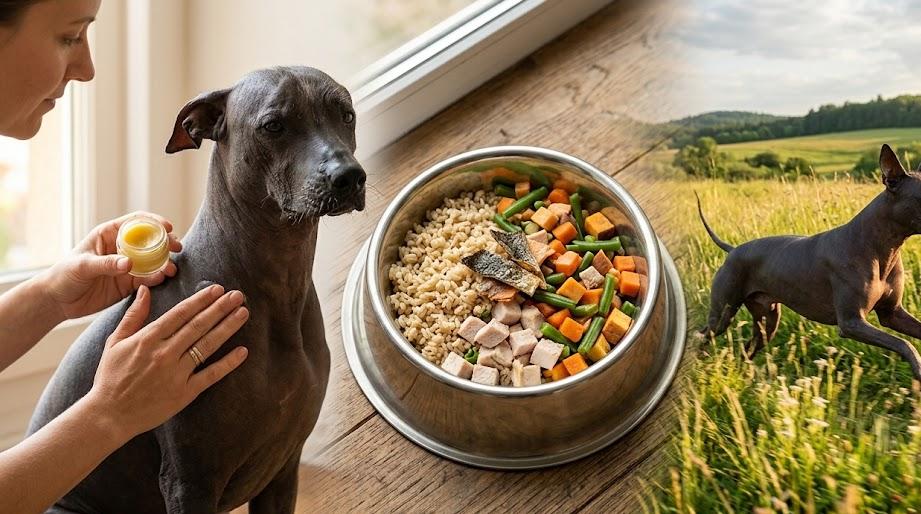
- Skin care regimen: Use sunscreen formulated for dogs and moisturizers to protect delicate skin.
- Environmental control: Provide warm clothing during cold months and avoid prolonged sun exposure to safeguard health.
How can I extend my Xoloitzcuintle’s lifespan?
Maintaining a balanced diet, regular exercise, and preventive veterinary care are essential to promoting longevity in Xoloitzcuintles.
Are Xoloitzcuintles prone to genetic diseases?
Yes, common hereditary conditions include hip dysplasia and patellar luxation, so genetic screening is advised before breeding or adoption.
What skin problems do hairless Xoloitzcuintles face?
They are vulnerable to sunburn, dryness, and acne, requiring dedicated skin protection and care routines.
Do coated Xoloitzcuintles have fewer health issues than hairless ones?
Coated types generally have fewer skin problems but still share other breed-specific health concerns like joint issues.
How often should I take my Xoloitzcuintle to the vet?
Biannual visits are recommended to catch health problems early, with more frequent visits if conditions arise.
In summary, understanding Xoloitzcuintle health problems and their typical lifespan empowers owners to take better care of this extraordinary dog breed. Proactive management and informed choices foster a healthier, happier companion who can thrive well into their senior years.