The question “Is the Xoloitzcuintle hypoallergenic?” is commonly asked by potential dog owners seeking pets that trigger fewer allergy reactions. Understanding this ancient breed’s unique traits can help allergy sufferers make an informed decision about bringing a Xoloitzcuintle into their home.
What is Xoloitzcuintle Hypoallergenic?
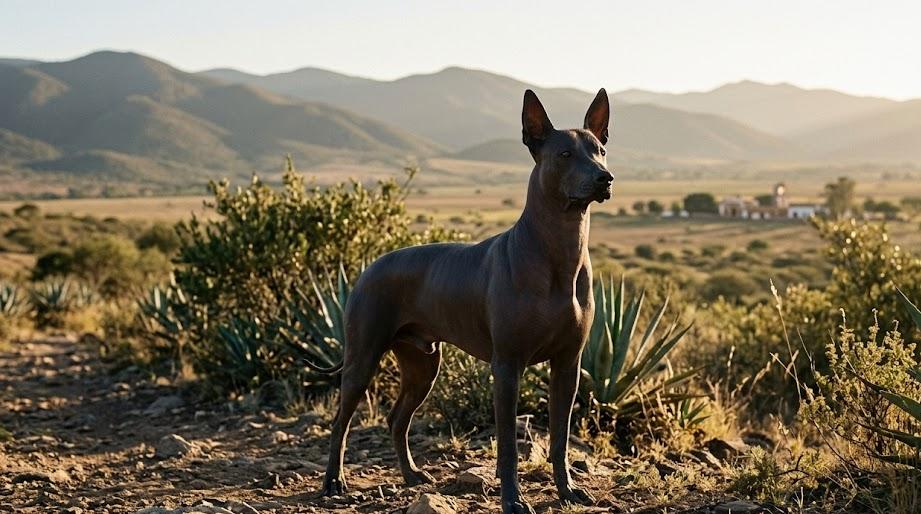
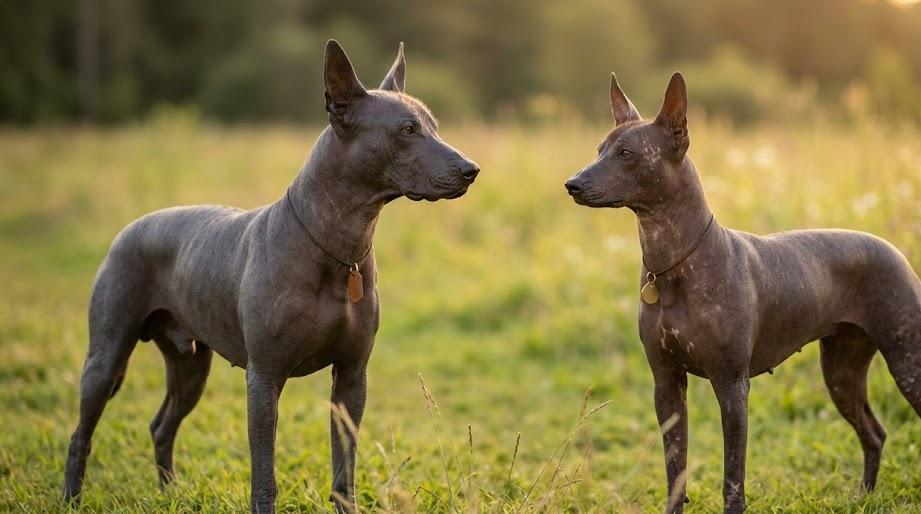
The term “Xoloitzcuintle hypoallergenic” refers to whether this Mexican hairless dog breed typically causes fewer allergic reactions compared to other dogs. Due to its lack of hair or minimal coat, the Xoloitzcuintle produces less dander—a common allergen—making it sought after by people sensitive to pet allergies. This breed is categorized by its smooth skin and almost hairless appearance, though some variants have a short coat.
Practical Aspects of Owning a Breed with Reduced Allergy Risks
In practice, many allergy sufferers report fewer symptoms when around the Xoloitzcuintle. Its minimal shedding and reduced dander mean that allergens stay lower in household environments. However, hypoallergenic does not guarantee a total absence of allergic reactions; individual sensitivities vary and close contact might still provoke some symptoms.
Why the Xoloitzcuintle’s Allergy Profile is Important Today
With increasing rates of pet allergies globally, choosing a dog with a lower allergen load is increasingly relevant. According to Statista, the number of allergy sufferers worldwide has grown by approximately 20% over the past decade. Consequently, breeds like the Xoloitzcuintle are gaining popularity among those looking for a loyal companion with fewer allergy concerns.
Key Traits that Influence Allergen Levels in this Breed
This breed’s defining feature is its exposed skin, which limits the accumulation and dispersal of pet dander. Additionally, oils secreted by the skin do not get trapped in fur, reducing airborne allergens. While some Xoloitzcuintles have short hair, their overall grooming needs remain straightforward, aiding allergy management. Regular bathing, recommended every two weeks, helps maintain skin cleanliness and reduces allergen presence.
Variants and Their Impact on Allergy Friendliness
The Xoloitzcuintle comes mainly in two types: the hairless and the coated variety. The hairless type is more commonly associated with hypoallergenic qualities due to limited fur. However, both types produce dander, and individual dogs may vary. Choosing a hairless Xoloitzcuintle often provides the best chance of minimizing allergic responses.
Real Benefits of Owning a Low-Allergen Dog
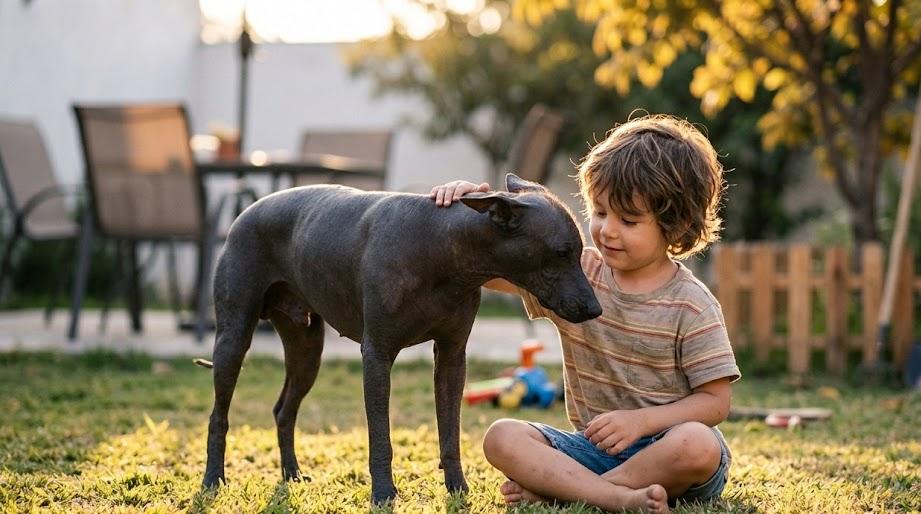
Owners benefit from fewer allergy symptoms such as sneezing, itching, and respiratory discomfort. The Xoloitzcuintle’s rarity and unique appearance also provide emotional rewards, with many describing them as affectionate and intelligent companions. Google Trends data shows a rising interest in hypoallergenic dog breeds, reflecting a broader shift toward health-conscious pet ownership.
Common Misconceptions to Avoid
One frequent error is assuming no allergic individual will react to the Xoloitzcuintle. Though classified as hypoallergenic, people with severe allergies should spend time with the breed before committing. Another mistake is neglecting proper grooming; skin care is essential to reduce allergen buildup and keep the dog healthy. Finally, owners must understand that hypoallergenic does not mean allergy-proof, but rather a lower risk option.
Practical Advice for Potential New Owners
- Spend Time With the Breed First: Visit breeders or shelters to observe your reaction before adoption to confirm compatibility with your allergies.
- Maintain Regular Cleaning: Frequent bathing and cleaning of the dog’s environment can minimize dander buildup and allergens at home.
- Consult Allergy Specialists: Discuss with healthcare providers to understand your specific allergy profile and how to safely interact with pets.
Can a person with severe allergies still react to this breed?
Yes, even hypoallergenic breeds like the Xoloitzcuintle can cause reactions in highly sensitive individuals due to skin oils and dander.
Does grooming affect allergen levels?
Regular grooming and bathing reduce allergens on the dog’s skin and fur, helping to control symptoms more effectively.
Is the hairless variety better for allergy sufferers than coated?
Generally, the hairless Xoloitzcuintle produces fewer allergens than its coated counterpart, making it preferable for allergy sensitivity.
In conclusion, the Xoloitzcuintle hypoallergenic qualities offer promising advantages for allergy sufferers seeking a dog companion. Though not completely allergy-proof, its unique hairless traits make it a viable option with proper care and preparation. If you are considering this remarkable breed, evaluating your personal allergy response and maintaining consistent grooming will help ensure a rewarding relationship.