The Xoloitzcuintle is a unique breed often compared to other hairless dogs. Understanding these differences can help dog lovers identify the right breed for their lifestyle and needs.
What is Xoloitzcuintle?
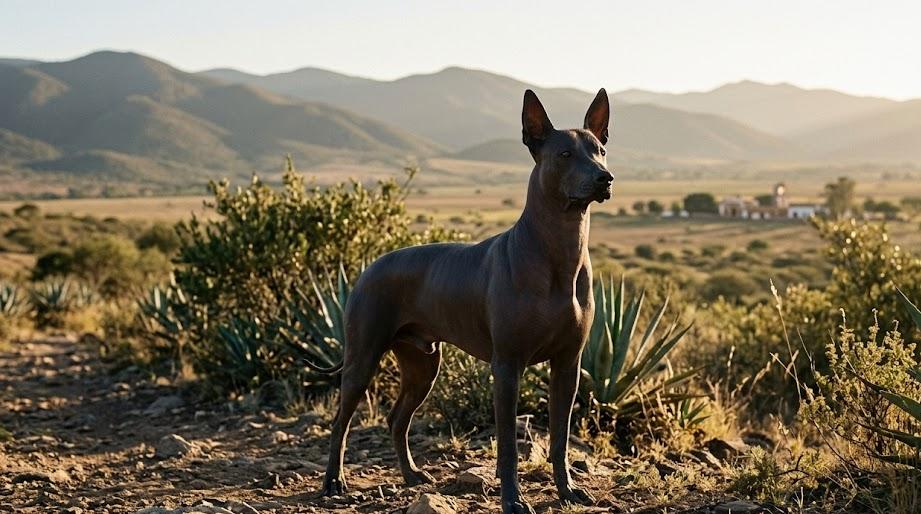
The Xoloitzcuintle, also known as the Mexican Hairless Dog, is an ancient breed dating back over 3,000 years. Recognized for its hairless body and loyal nature, this breed plays a significant role in Mexican culture and history. Unlike many hairless breeds, the Xoloitzcuintle comes in toy, miniature, and standard sizes, offering versatility for different owners.
How Hairless Dog Breeds Differ in Appearance
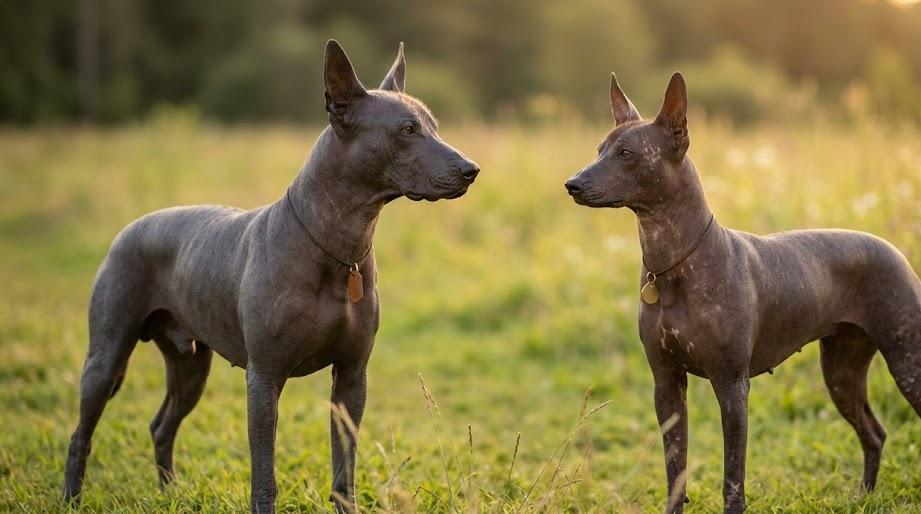
While the lack of a coat is common among certain breeds, hairless dogs vary greatly in physical features. For example, the Chinese Crested often exhibits tufts of hair on the head and feet, whereas the Peruvian Inca Orchid has a smoother skin texture similar to the Xolo. The Xoloitzcuintle distinguishes itself through a muscular frame and a unique skull shape, setting it apart from other breeds with similar hairless traits.
Why These Breeds Are Increasingly Popular Today
Interest in hairless breeds has surged in recent years, partly due to their hypoallergenic qualities. Data from Statista shows a 20% increase in searches related to hairless dog breeds from 2018 to 2023. Their distinct appearance and reduced grooming needs attract urban pet owners and those with mild allergies, making breeds like the Xoloitzcuintle more sought after in global markets.
Key Physical and Temperamental Features
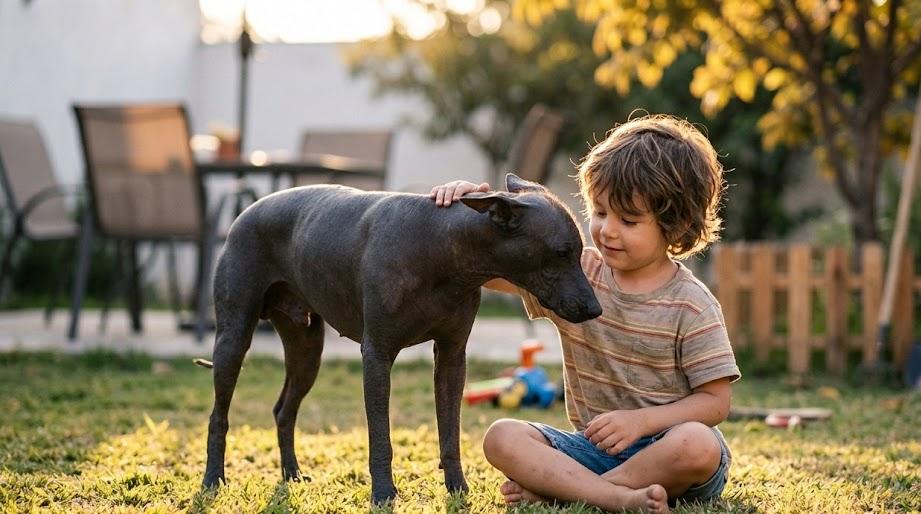
The Xoloitzcuintle is known for its affectionate and calm personality, often forming strong bonds with family members. Physically, its skin requires specific care to prevent dryness and sun damage, similar to other hairless dogs but with a tougher skin resilience. Comparatively, breeds such as the American Hairless Terrier might possess softer skin but more active temperaments, illustrating diversity in this category.
Different Varieties Within Hairless Canines
Hairless dog breeds include the Xoloitzcuintle, Chinese Crested, Peruvian Inca Orchid, and American Hairless Terrier, each offering unique characteristics. The diversity ranges from varying sizes to distinct behavioral traits; for instance, the Chinese Crested is known for its playful demeanor, while the Xoloitzcuintle tends to be more reserved and protective. Understanding these differences is crucial for prospective owners choosing a breed that fits their lifestyle.
Real Advantages for Dog Owners
Owning a hairless dog like the Xoloitzcuintle offers benefits such as reduced shedding and easier grooming routines. Furthermore, these breeds can be better suited for people with allergies as they produce fewer allergens. According to a study published by the American Kennel Club, hairless breeds tend to require less maintenance than fully coated dogs, which is appealing to busy owners seeking both companionship and convenience.
Common Mistakes to Avoid When Caring for Hairless Breeds
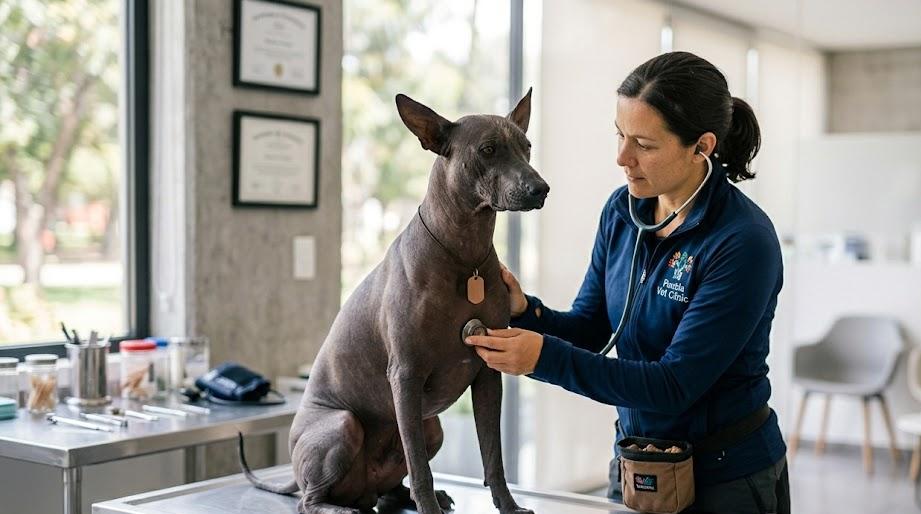
One frequent error is neglecting skin care, which is vital to maintain the health of hairless dogs. Avoid excessive sun exposure to prevent burns, and use moisturizers recommended by veterinarians. Additionally, overlooking dental care can be problematic since some hairless breeds are prone to dental issues. Proper nutrition and regular check-ups are key to avoiding these common pitfalls.
Helpful Tips for Managing Your Hairless Canine
- Protect skin daily: Apply dog-safe sunscreen before outdoor activities to guard against UV damage.
- Regular bathing: Use gentle, moisturizing shampoos to keep skin clean without causing dryness.
- Maintain dental hygiene: Brush teeth frequently and provide dental chews to prevent tartar buildup common among hairless breeds.
What distinguishes the Xoloitzcuintle from similar hairless breeds?
Its ancient lineage, size variety, and cultural significance make the Xoloitzcuintle unique compared to other hairless dogs.
Are hairless breeds truly hypoallergenic?
While they tend to produce fewer allergens, no dog breed is completely hypoallergenic; individual reactions vary.
How often should I bathe a hairless dog?
Bathing once every two weeks is ideal, using products designed to maintain skin moisture.
Can hairless dogs tolerate cold weather?
Due to minimal fur, these breeds need sweaters or protection in cold climates to stay comfortable.
Understanding the distinctions between the Xoloitzcuintle and other hairless dogs enhances your ability to choose and care for these remarkable animals. Their rich history, physical traits, and special needs require consideration, but reward owners with an affectionate and unique companion. Explore their qualities thoroughly and give your hairless dog the care it deserves.