Are you curious about the mysterious and ancient dog breed that once roamed the Aztec civilization? The Xoloitzcuintle dog offers a fascinating glimpse into Mexico’s rich cultural heritage and unique canine lineage, revealing benefits beyond its striking appearance.
What Is a Xoloitzcuintle Dog?
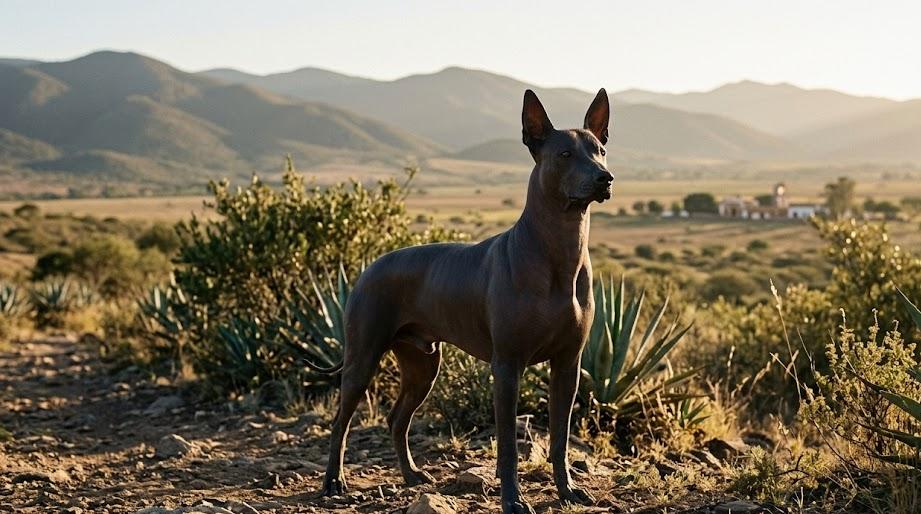
The Xoloitzcuintle dog, often simply called Xolo, is a native Mexican breed known for its distinctive hairless coat and long history that dates back over 3,000 years. Believed to have been companions to the Aztec and other indigenous peoples, this breed is not only prized for its unique look but also revered as a spiritual symbol. The term “Xoloitzcuintle” originates from the Aztec god Xolotl and the Nahuatl word for dog, “itzcuintli.” These dogs come in both hairless and coated varieties, recognized for their loyalty and intelligence.
How the Breed Thrives in Daily Life
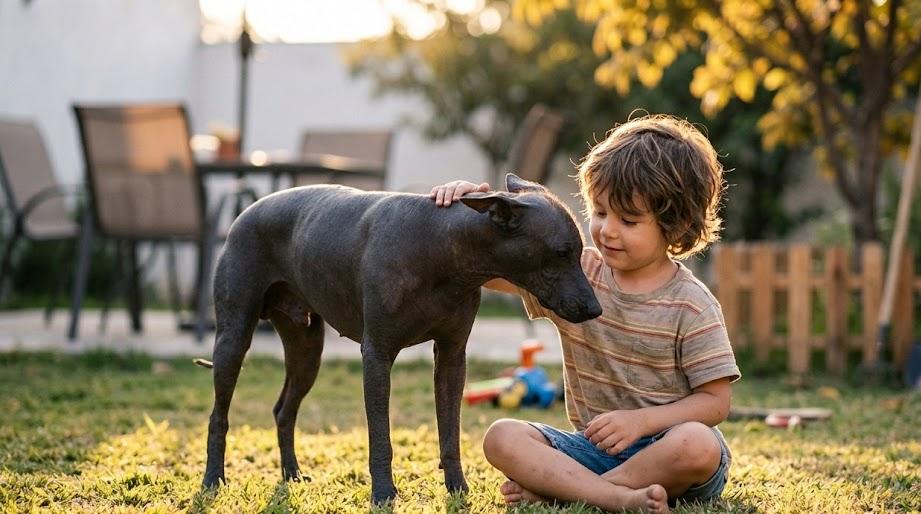
Xoloitzcuintle dogs are known for their adaptability and calm temperament, making them excellent companions in a variety of living environments. Their low maintenance grooming needs suit those seeking an easy-care pet, especially in warmer climates where their hairless skin provides an advantage. This breed is highly social and tends to bond closely with family members, showing protective instincts without excessive aggression. In practice, Xolos excel in therapy and emotional support roles due to their affectionate nature.
Why This Ancient Breed Holds Modern Importance
Beyond its historical significance, the Xoloitzcuintle dog has gained contemporary popularity for its hypoallergenic qualities, appealing to dog lovers with sensitivities. The breed’s unique heritage also underlines the importance of conserving indigenous animal breeds amid globalization. According to a 2022 Google Trends report, interest in native dog breeds like the Xoloitzcuintle has increased by over 20% globally in the past five years, reflecting a growing trend towards cultural preservation and alternative pet choices.
Key Characteristics Every Enthusiast Should Know
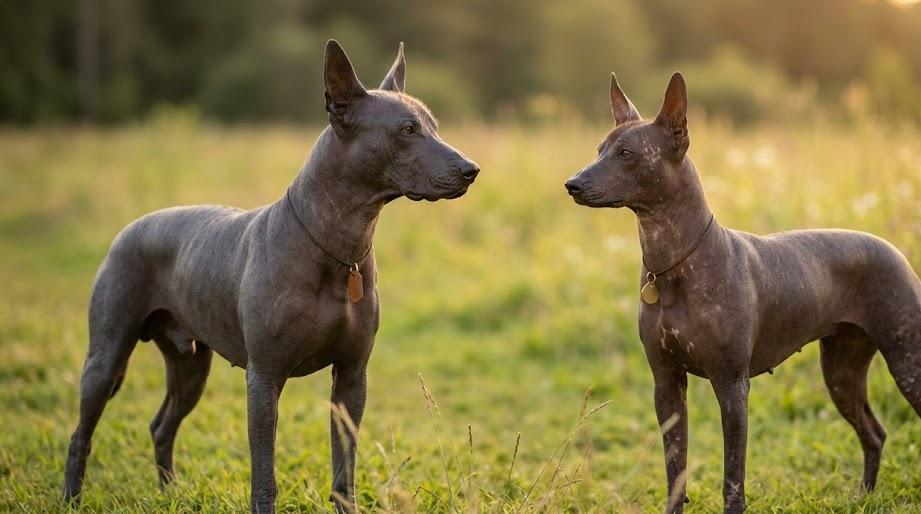
The Xoloitzcuintle dog features a variety of traits worthy of note. Their skin varies in color and texture but is typically smooth and warm to touch, often giving a comforting feeling to their owners. Xolos generally range from small to large sizes, classified into three categories: toy, miniature, and standard. They possess strong bones and a lean, muscular build, which contributes to their agility. Additionally, this breed is recognized for its keen senses, intelligence, and quiet demeanor, seldom barking unless necessary.
Varieties and Classifications Within the Breed
The breed appears in two main types: hairless and coated (called “coated Xolos” or “hairy Xolos”). The hairless type is more popular and widely recognized as the classic Xoloitzcuintle, while coated ones have a short, fine coat of hair that covers their body. Each type has distinct care requirements but shares similar behavioral and health characteristics. These categories allow a wider audience to appreciate the breed according to their lifestyle and preferences.
Proven Benefits for Owners and Communities
Owning a Xoloitzcuintle dog brings numerous benefits. Their loyal and calm nature fosters strong emotional bonds with families, leading to improved mental well-being among owners. Studies have shown that owning dogs can reduce stress and enhance social interaction, and Xolos are exceptional at providing companionship. Moreover, their low allergenic impact offers an alternative pet for allergy sufferers. Preserving this indigenous breed also supports biodiversity and cultural heritage, instilling pride in Mexican communities.
Common Mistakes to Avoid When Caring for This Breed
Despite the breed’s hardiness, owners should avoid several pitfalls to ensure a healthy and happy Xoloitzcuintle. One frequent error is neglecting skin care for hairless varieties; due to lack of fur, their skin is prone to dryness or sunburn if unprotected. Another mistake is overlooking socialization; early and consistent interaction with people and other dogs is crucial to prevent shyness or overprotectiveness. Lastly, inadequate exercise can lead to behavioral issues—Xolos need regular physical activity suited to their size.
Practical Tips for Xoloitzcuintle Care
- Protect Skin from Sun Exposure: Use dog-safe sunscreen or protective clothing during sunny days to avoid sunburn on hairless skin.
- Introduce Socialization Early: Engage your dog with diverse environments and friendly interactions to build confidence and sociability.
- Maintain Consistent Exercise: Provide daily walks and playtime tailored to your Xolo’s age and size to promote physical and mental health.
What is the temperament of an ancient Mexican hairless dog?
The temperament of the Xoloitzcuintle is generally calm, intelligent, and loyal. They are affectionate with family members and tend to be quiet, barking only when necessary.
How rare is the Xoloitzcuintle worldwide?
This breed is rare outside Mexico but is gaining international recognition. According to the American Kennel Club registration data from 2023, registrations for this breed have grown steadily, reflecting rising interest globally.
Are there specific health concerns for hairless native dogs?
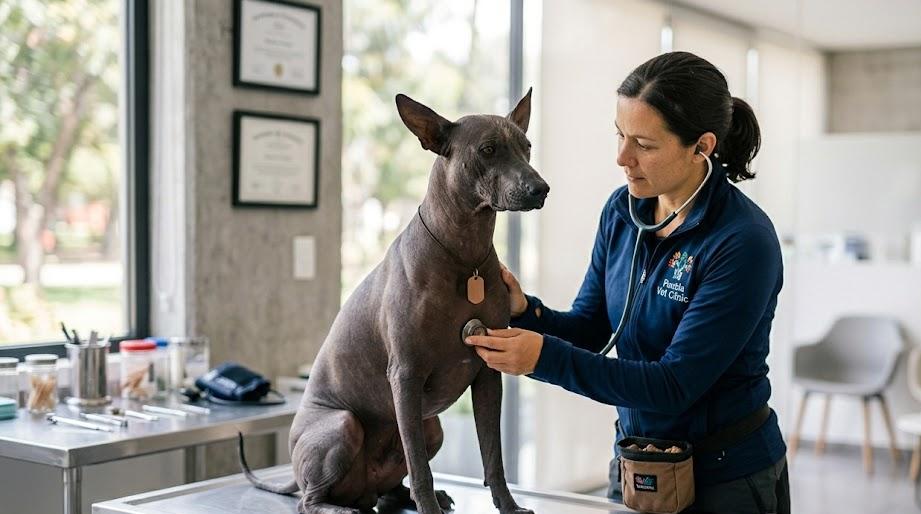
Hairless dogs like the Xoloitzcuintle can face skin issues such as dryness and sensitivity to sun exposure. Regular skin care and vet visits are essential to maintain their health.
Can the Xoloitzcuintle adapt to urban living?
Yes, with proper socialization and exercise, Xolos adapt well to apartment or city life, carving a niche as companion animals in diverse environments.
The Xoloitzcuintle dog embodies ancient Mexican heritage with unique physical and behavioral traits that make it a fascinating and loyal companion today. Understanding its history, characteristics, and care needs ensures this remarkable breed continues to thrive and enrich the lives of those fortunate enough to welcome it home. Whether for cultural pride or companionship, the Xoloitzcuintle dog remains a timeless treasure worth discovering.